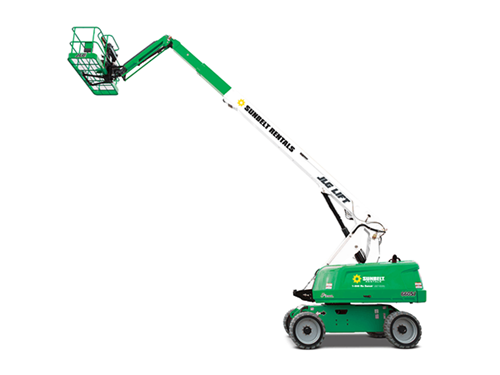
This in-person training allows students to obtain the necessary knowledge and skills required to operate boom lifts (3b) safely. Upon successful completion of the classroom theory and final written exam, students must successfully complete the hands-on practical evaluation to receive operator certification.
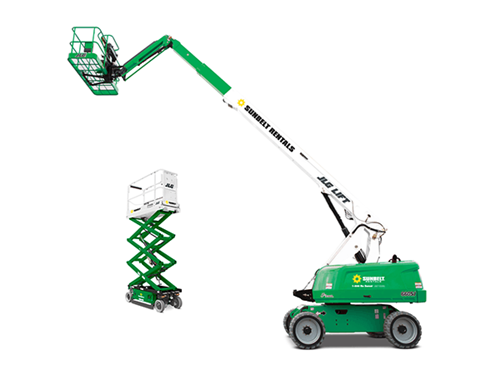
Esta capacitación presencial permite a los estudiantes obtener los conocimientos y habilidades necesarios para operar las plataformas aéreas (3b) y plataforma de tijera (3a) de manera segura. Al completar con éxito la teoría del aula y el examen escrito final, los estudiantes deben completar con éxito la evaluación práctica para cada pieza del equipo para recibir la certificación de operador.
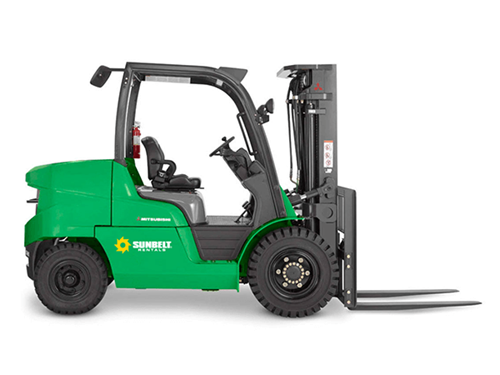
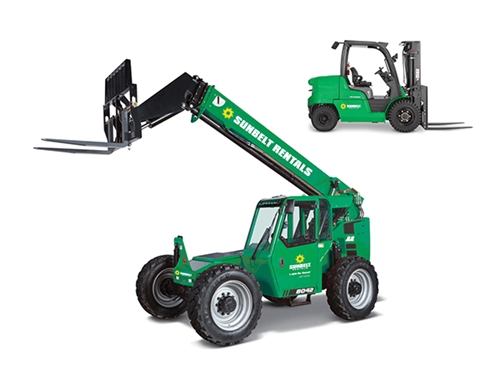
This in-person theory and hands-on practical evaluation training allows students to obtain the necessary knowledge and skills required to operate Class 1, 4, or 5 counterbalance forklifts safely. Upon successful completion of the online theory and final written exam, students must successfully complete the hands-on practical evaluation to receive operator certification.
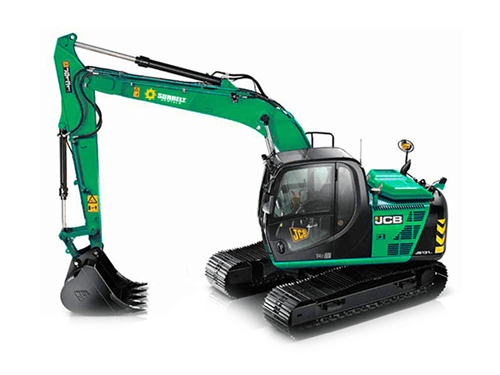
This in-person training allows students to obtain the necessary knowledge and skills required to operate excavators safely. Upon successful completion of the classroom theory and final written exam, students must successfully complete the hands-on practical evaluation to receive operator certification.
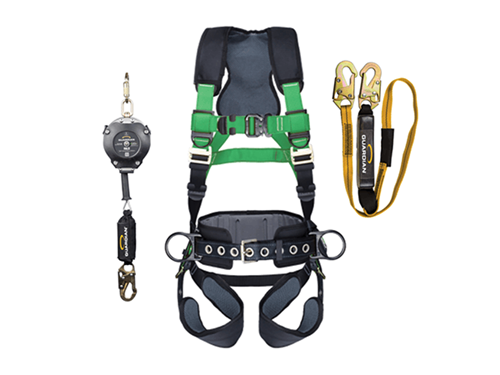
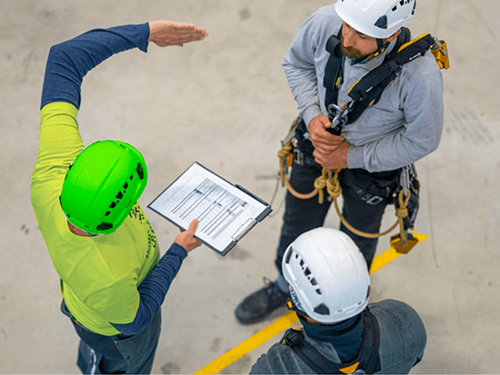
This in-person training provides the practical knowledge required for safely working at heights. Students participate in hands-on exercises and address safe practices and procedures that meet or exceed federal (provincial) regulations, standards and manufacturing requirements.
This in-person 8-hour Competent Person Training is designed for individuals who will, or are currently fulfilling the role of a Competent Person in either a Construction (OSHA 1926) or General Industry (OSHA 1910) environment and addresses safe work practices to meet or exceed local and provincial regulations.
This in-person training allows students to obtain the necessary knowledge and skills required to operate Class 1, 4, 5 (counterbalance) and Class 7 (rough terrain) forklifts safely.
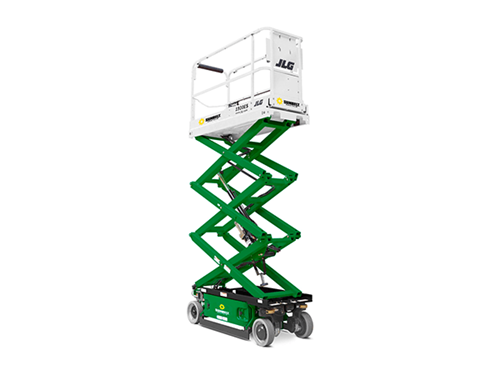
This in-person training allows students to obtain the necessary knowledge and skills required to operate scissor lifts (3a) MEWPs safely. Upon successful completion of the classroom theory and final written exam, students must successfully complete the hands-on practical evaluation to receive operator certification.
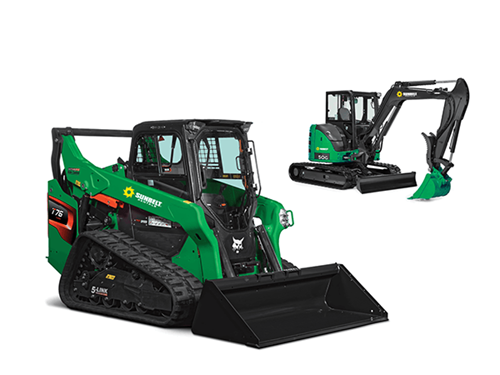
"This in-person training allows students to obtain the necessary knowledge and skills required to operate skid steers and compact excavators safely. Upon successful completion of the classroom theory and final written exam, students must successfully complete the hands-on practical evaluation for each piece of equipment to receive operator certification. Topics include: Responsibilities as a user and operator Conducting a pre-start inspection Conducting a workplace inspection Various type
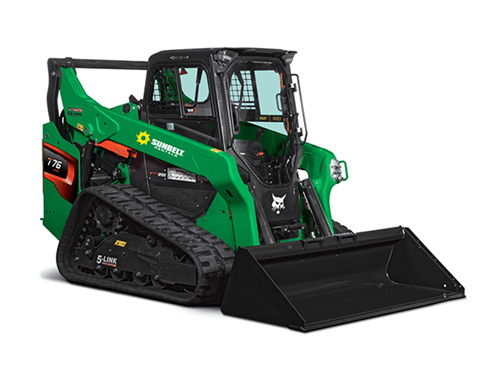
"This in-person training allows students to obtain the necessary knowledge and skills required to operate skid steers safely. Upon successful completion of the classroom theory and final written exam, students must successfully complete the hands-on practical evaluation to receive operator certification. Topics include: Responsibilities as a user and operator Conducting a pre-start inspection Conducting a workplace inspection Various types of equipment Safe operation Preventing accident
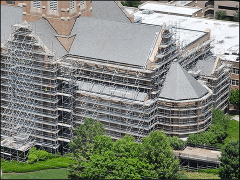
"This in-person training prepares individuals to use supported scaffolding to perform a work task. This course meets the requirements for OSHA 1926.454 (a). To receive course completion wallet card, students must: Successfully complete classroom theory and final written exam Topics include: OSHA regulations SAIA standards Sunbelt Rentals Best Practices Instruction on frame, tube and clamp system scaffolding The proper use of personal fall arrest systems related to scaffold usage"
"This in-person training prepares individuals to become a Competent Person for suspended scaffolding. This course meets the requirements for OSHA 1926.454 (b). To receive course completion wallet card, students must: Successfully complete classroom theory and final written exam Topics include: OSHA regulations SAIA standards Sunbelt Rentals Best Practices Basics of suspended scaffolding Proper use of personal fall arrest systems related to scaffold usage"
The Construction Safety Training Pathway provides a structured learning framework for employees, supervisors, competent persons, safety professionals, and leaders working in construction environments.
Because construction employees encounter changing worksites, multiple contractors, specialized equipment, and potentially high-risk activities, the pathway emphasizes both foundational hazard awareness and role-specific competency development.
The pathway begins with core training appropriate for employees entering or working on construction sites, including topics such as OSHA construction requirements, personal protective equipment, hazard communication, walking-working surfaces, electrical safety, tools and equipment, and emergency preparedness.
Training then progresses according to the hazards and responsibilities associated with specific roles. Specialized pathways address areas such as:
Fall protection and competent-person responsibilities
Excavation and trenching
Scaffolding
Confined spaces
Electrical hazards
Cranes, rigging, and material handling
Powered industrial trucks and mobile equipment
Lockout/tagout and hazardous energy
OSHA 10- and 30-Hour Construction programs
OSHA standards and trainer-development programs
The result is a construction training architecture that connects OSHA requirements and industry hazards to the people responsible for performing, supervising, and managing the work.